Welcome to our Glowing Hot Take series: Your burning jewelry questions, answered.
To kickstart the series, we figured we’d start out by addressing one of the most commonly used words in the luxury jewelry industry (and beyond) today: sustainable.
What on earth do people mean when they say “sustainable jewelry?” Can mining gold or gemstones be sustainable at all? Do these two words even belong next to each other?
Let’s get into it.
First of all, we’re admittedly not the biggest fans of the word “sustainable” when it comes to the jewelry industry, even if this word is being plastered all over everyone and their mother’s websites and branding. In our opinion, it’s way too easy to misuse this word to greenwash a product or an entire brand, or make it seem more environmentally friendly or less environmentally damaging than it really is.
Some of our amazing jewelry industry colleagues started the Jewelry Glossary Project, a site dedicated to defining commonly used terms like sustainable, ethical, recycled, and more when it comes to jewelry.
The Jewelry Glossary Project defines “sustainable” as: the successful stewardship of the environment, culture, and economy, and notes that, “Extraction of finite, non-renewable resources used by the jewelry industry is ultimately environmentally unsustainable. However, in communities where livelihoods are dependent on mining, it can be a tool to catalyze economic development.”
We couldn’t agree more!
Both facets are true:
#1. Mining of diamonds, gemstones and gold are in and of themselves unsustainable, due to the fact that these precious materials will eventually be fully mined out.
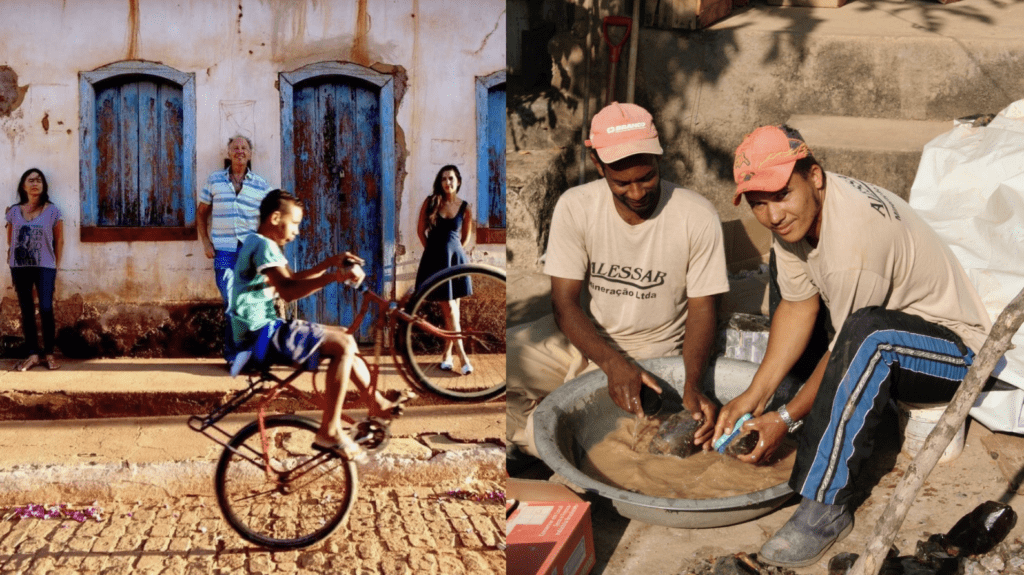
#2. Miners, gemstone cutters, and jewelers depend on the mining of these gorgeous materials for their incomes and livelihoods, and businesses or NGO’s can have sustainable practices that empower these communities.
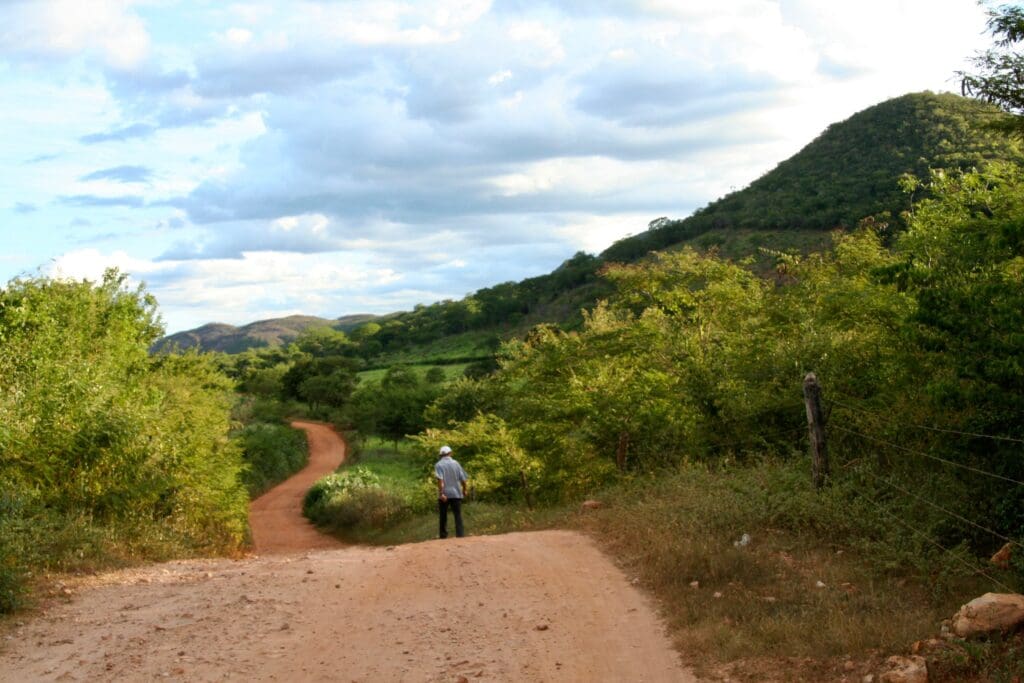
One awesome example of this is one of the nonprofit organizations we are donating a percentage of all our profits to, Academia da Serra.
Not only are they setting out to build a lapidary (gem cutting) school in a quartz mining town in Bahia, Brazil, but they are also incorporating regenerative agriculture to replenish the land and diversify the local economy long after the local mines are exhausted.
THIS is what we believe sustainability truly looks like: partnering with the communities who need equity and fair market access the most and helping them to have a thriving, healthy future that they can sustain not only for themselves, but for generations to come.