At the very heart of us founding Beaumont Jewelry Collective was a desire to impact the communities that often go unseen, yet make this industry possible because of the vital roles they play. A percentage of the profits from all our sales will be split evenly among the following worthy nonprofits who are doing amazing work to uplift mining communities and protect the environment.
Your jewelry purchase helps us invest in a more transparent, ethical, and sustainable future for the gemstone industry.
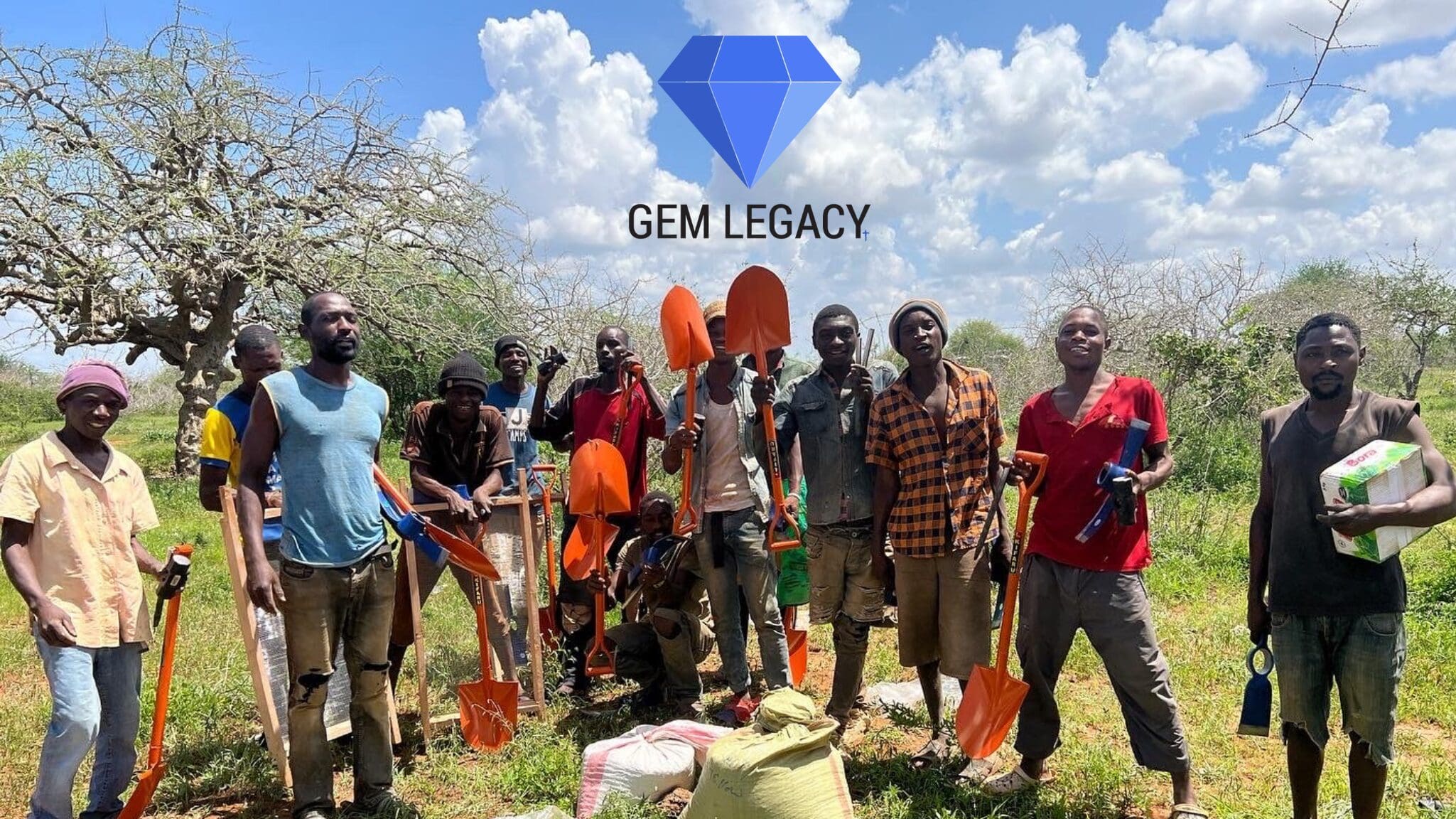
Miners receiving new toolkits. Photo courtesy of Gem Legacy.
Gem Legacy is a nonprofit organization that supports vocational training, entrepreneurship, and community development in East African artisanal gem mining communities. Some of their powerful initiatives include building a new gem faceting campus, miner toolkits, silicosis prevention, gem faceting training, organizing career fairs, and a breakfast and lunch program for Kitarini Primary school students from ruby mining families.
Obtaining tools and equipment is a major challenge for most colored gemstone miners in East Africa. 80-90% of all East African miners both farm and mine – farming miners or mining farmers! They use their farming tools to do hard-rock mining, leaving them ill-equipped for safety and success. Gem Legacy equips them with the essential tools for self-protection and quickly and effectively reaching their goal: beautiful gemstones!
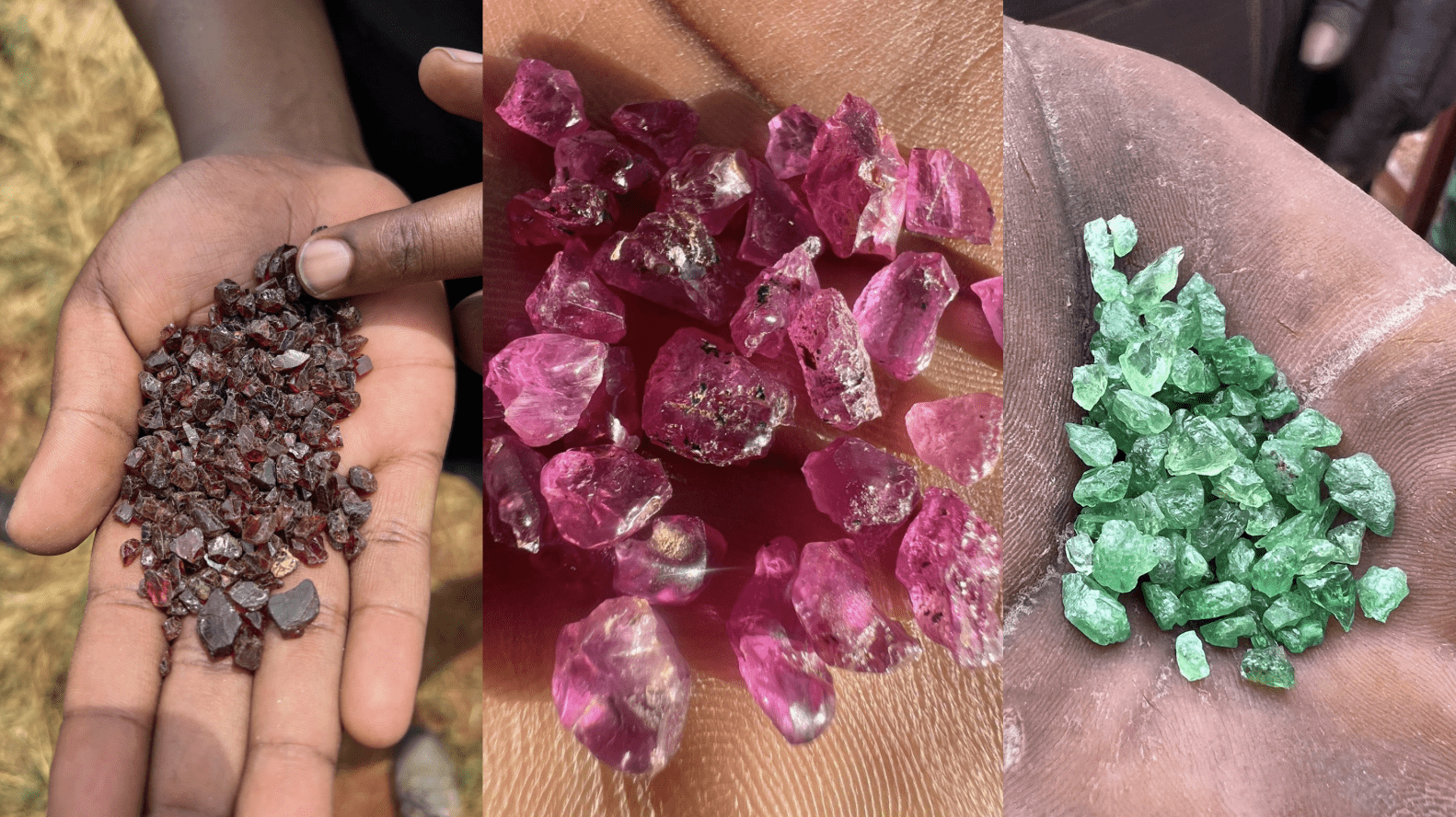
Rhodolite garnet, Ruby and grossular garnet from East Africa. Photo courtesy of Gem Legacy.
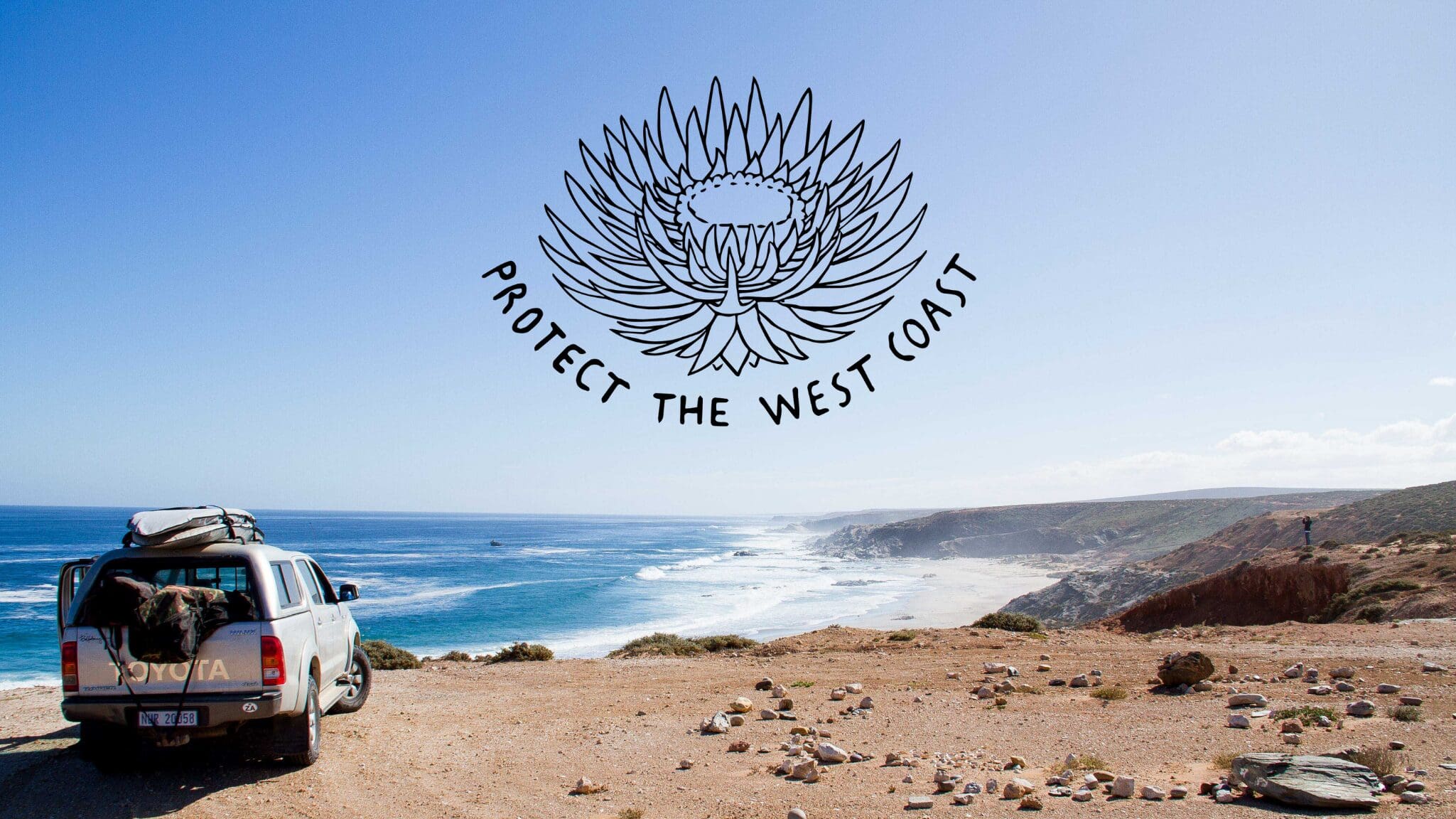
Surf trip on South Africa’s West Coast. Photo courtesy of Protect the West Coast.
Protect the West Coast (PTWC) is a not-for-profit organization established in 2020 by a group of concerned citizens who wanted to put a stop to the illegal and destructive mining activities which are running rampant on South Africa’s West Coast. The team comprises a collective of concerned South Africans (including scientists, journalists, activists, legal and media experts) who work for the organisation to ensure that mining on the West Coast of South Africa is conducted with the correct and proper oversight in accordance with fundamental principles of the law.
From the Orange River to Cape Columbine, hundreds of kilometres of South Africa’s West Coast are being mined, or have been earmarked for mining. These industrial-scale extractions have lasting consequences for local communities, fisheries and the natural environment, for generations to come. But there is hope—PTWC invites the public and private sectors in South Africa and abroad to join in Protecting the West Coast. Its very future depends on us.
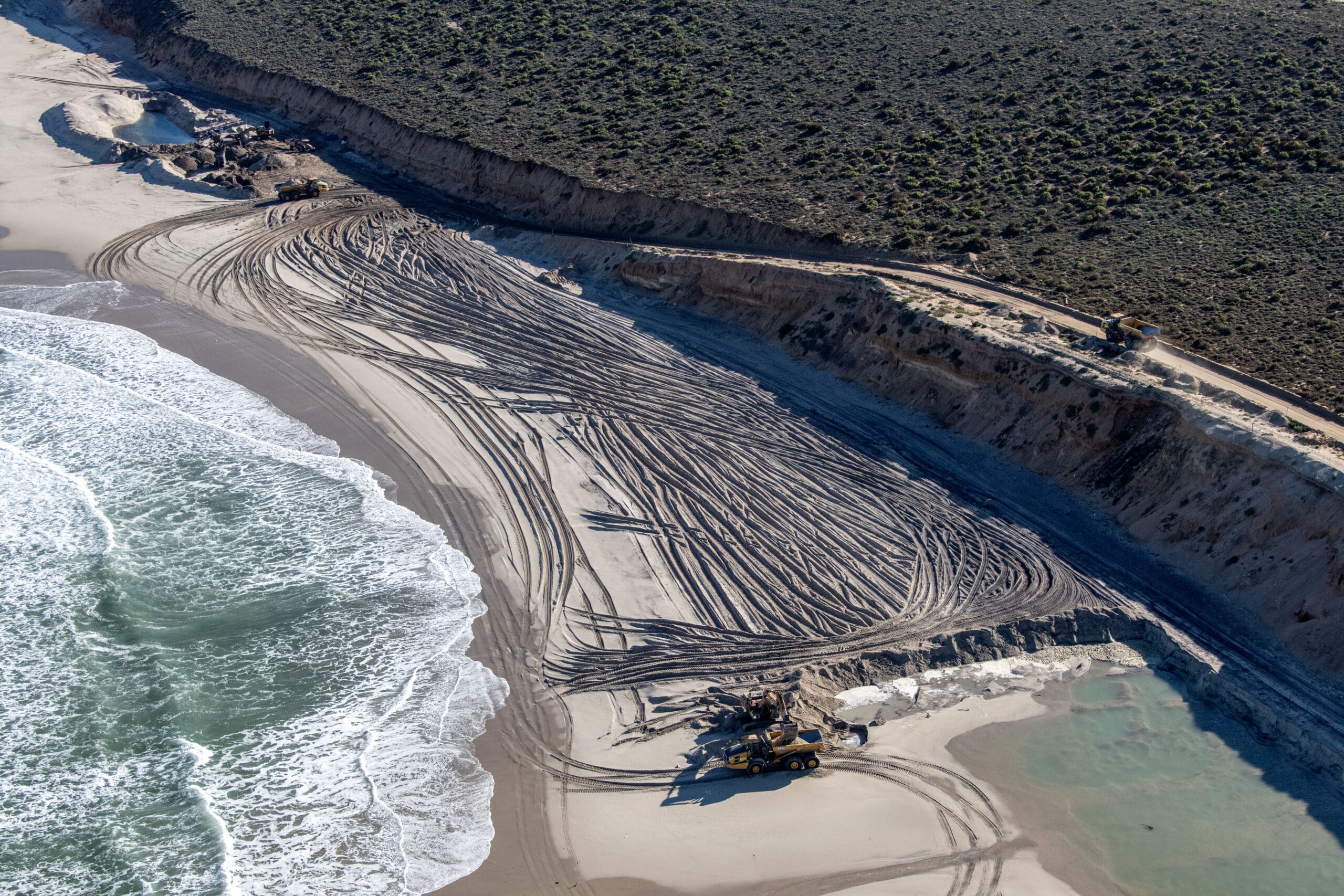
Beach diamond mining. Photo courtesy of Protect the West Coast.
Bahia, Brazil. Photo courtesy of Academia da Serra.
Academia Da Serra is a new initiative in the heart of the quartz mining community of Novo Horizonte, Bahia, Brazil. A team of entrepreneurs, artisans, geologists, and jewelry designers are working together to create a vocational school for gem cutting and land rehabilitation.
Their work is focused on four key areas:
Miner Health and Safety:
Community Empowerment:
Supply Chain Transparency:
Environmental Regeneration:
Academia’s first goal is to launch their Stepping Stones program, which they have started a GoFundMe for.
This first, critical step will focus on empowering women in the Novo Horizonte community to transform low-quality quartz into beautiful and profitable tumbled stones and beads. The donations will fund tumbling machines, drills, rough stone purchasing, and instructions for the first cohort of women participating in the Academia. Sales from the Academia will be reinvested to expand the Academia, eventually providing opportunities for growth and income to the participants.
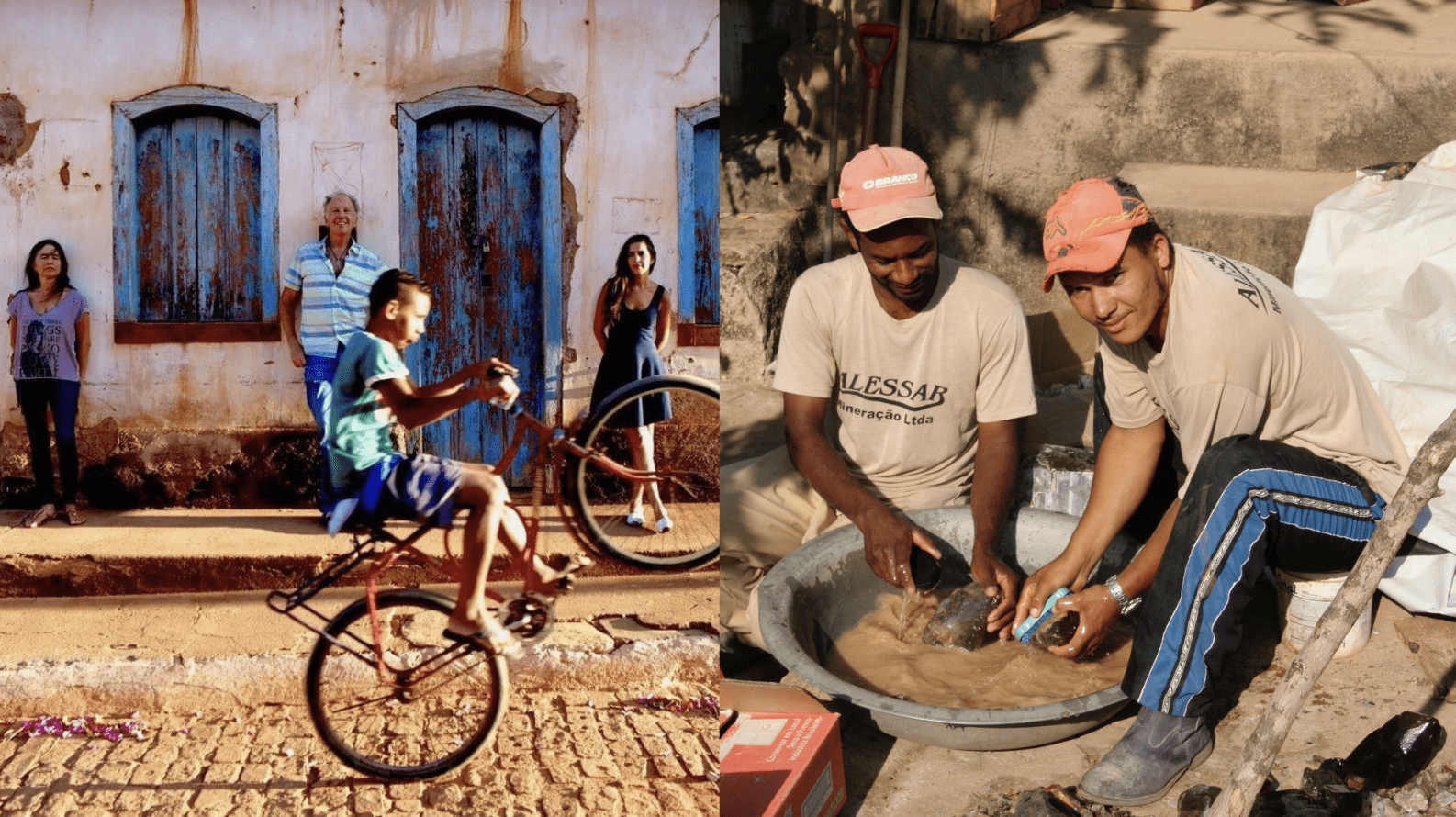
Left: Academia da Serra Guides Kendra Cook, Brian Cook, and Quendi Lara behind a child biking in Bahia. Right: Miners in Bahia, Brazil. Photos courtesy of Academia da Serra.
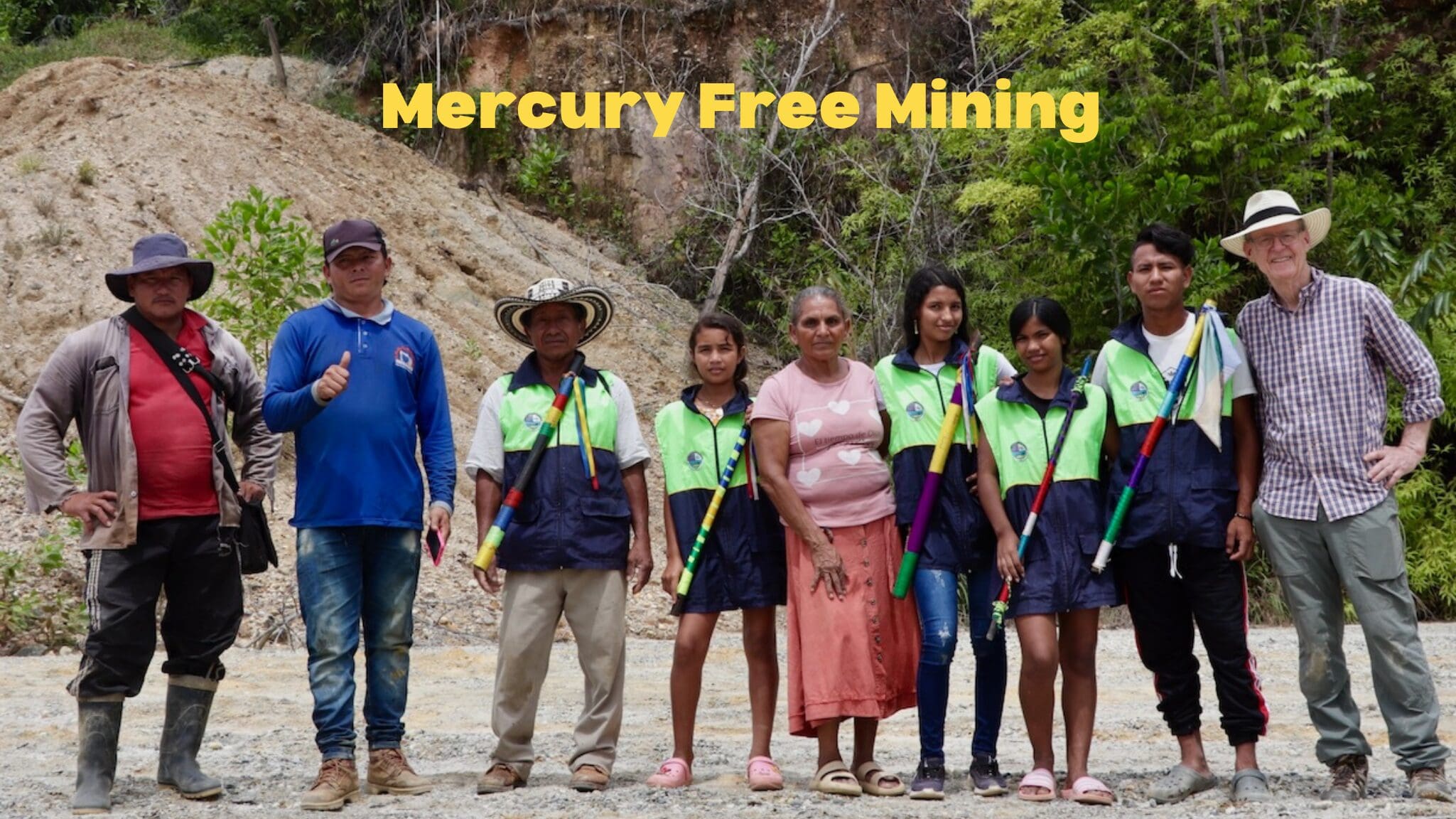
Toby Pomeroy (far right) and miners at a Goldrop training in Zaragoza, Antioquia, Colombia. Photo courtesy of Toby Pomeroy/MFM.
Mercury Free Mining is a nonprofit organization working to eradicate the use of mercury in artisanal and small-scale gold mining (ASGM), ensuring the public trust in the jewelry industry gold supply chain. Mercury is a potent, permanent neurotoxin that can poison the human body irreparably, causing neurological disorders, birth defects, and numerous other illnesses. As an environmental contaminant, mercury is exceedingly difficult to remove.
The effects that mercury has on these miners and their communities is devastating. Mercury from mining pollutes our atmosphere, rivers, oceans, and the fish that millions depend on as a source of protein. Mercury Free Mining exists to find a solution to this growing problem.
Toby Pomeroy, Executive Director of Mercury Free Mining, recently shared, “Miners do not change methods because they are persuaded. They change when they can verify — clearly and repeatedly — that they will earn more. Over the years, as we deepened relationships with miners, worked closely with the Alliance for Responsible Mining, and learned from Professor Marcello Veiga — one of the world’s leading ASGM experts — I came to see a truth that changed everything: The barrier isn’t technology — it’s verifiable fairness.”
That’s why Mercury Free Mining is shifting towards a new solution: the Pacto Protocol. This will allow miners to bring ore they’ve mined directly to a processing center, providing them with a faster, cleaner, and more profitable option that doesn’t require the use of mercury.
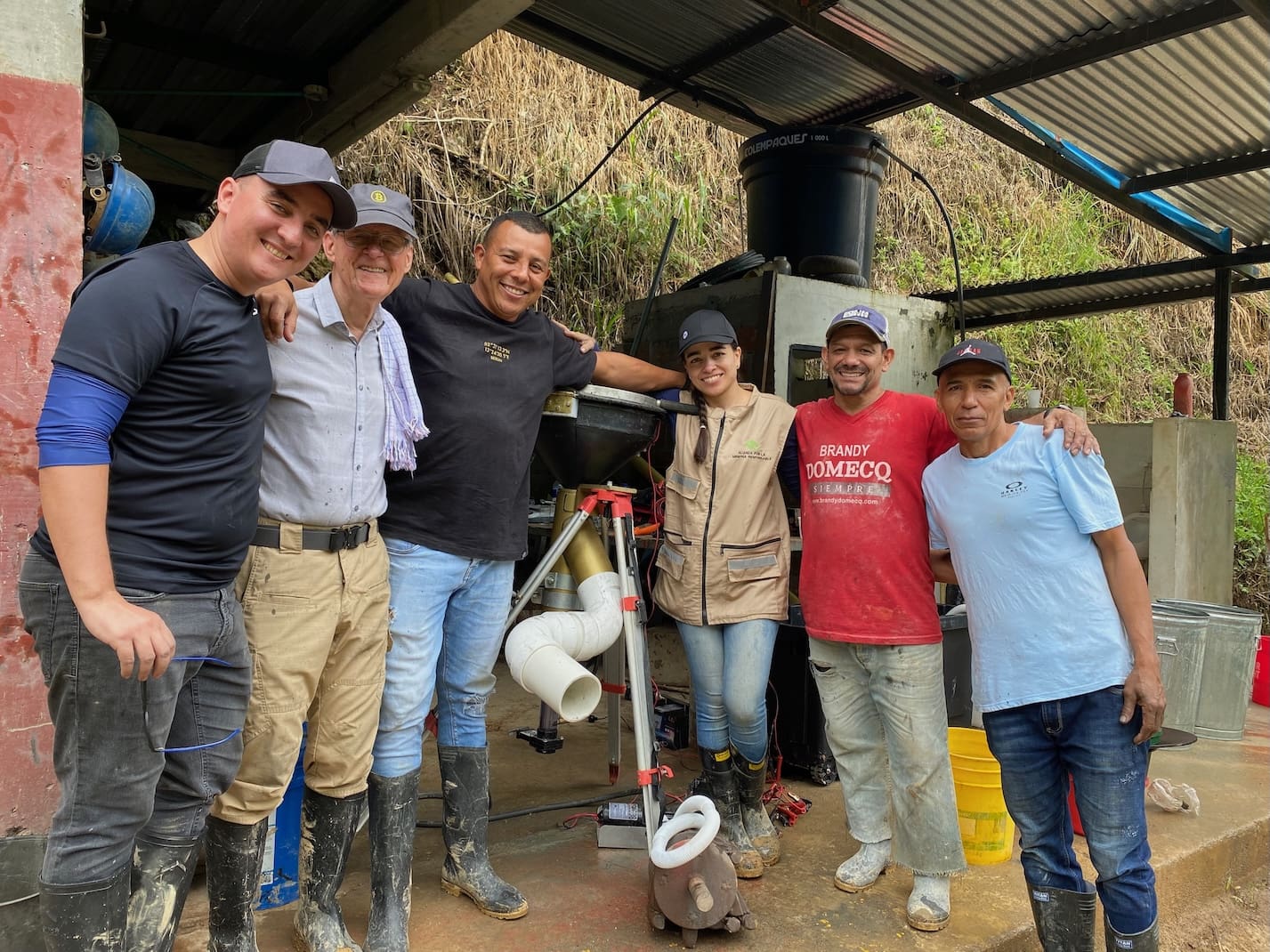
Toby Pomeroy and miners at the Quibra Loma mine in Riosucio, Caldas, Colombia. Photo courtesy of Toby Pomeroy/MFM.
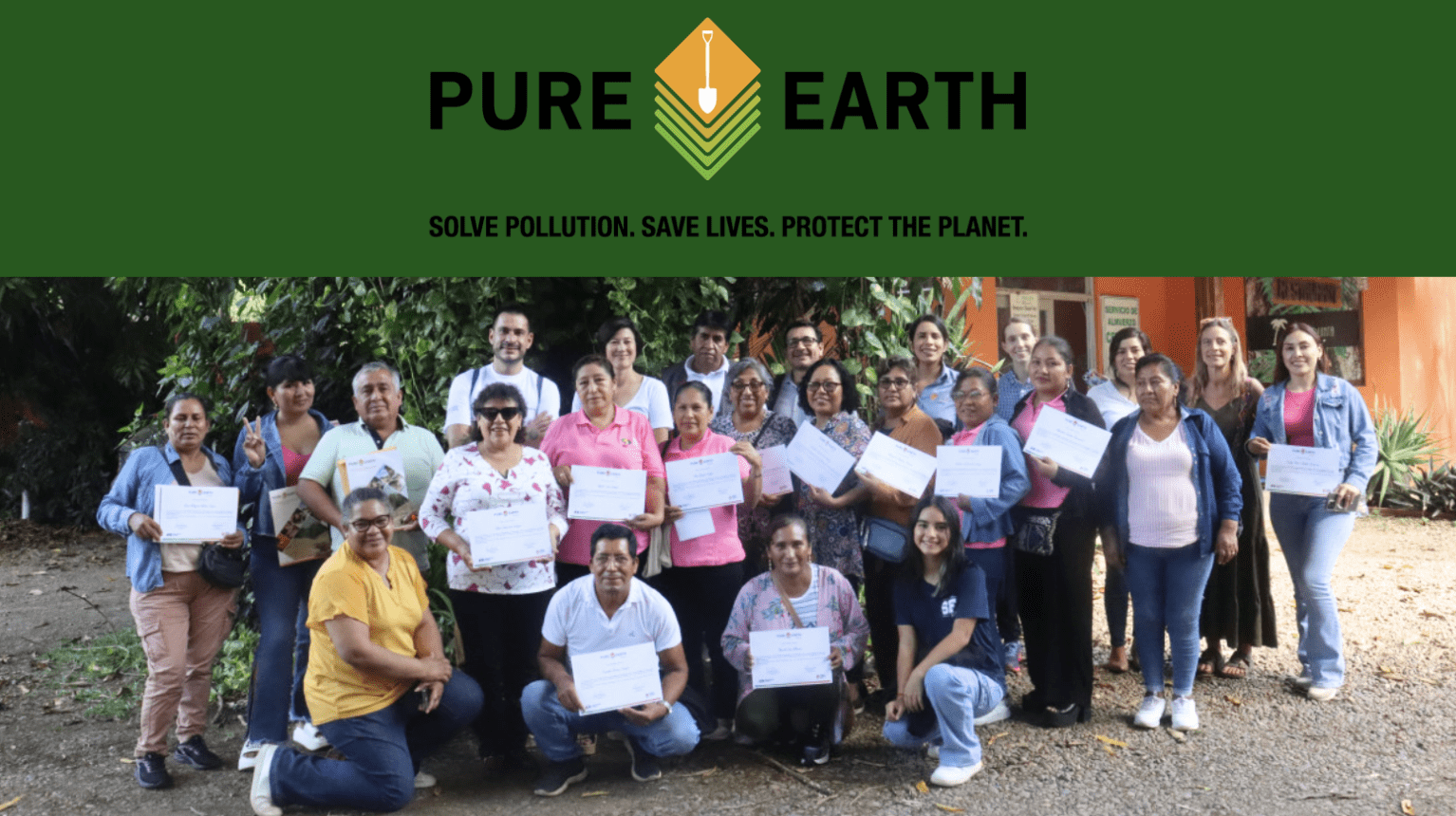
Attendees of a workshop with the Women’s Mining Network of Madre de Dios, hosted by Pure Earth Peru with support from the JCK Industry Fund. Photo courtesy of Jen Marraccino/Pure Earth.
Pure Earth is a nonprofit organization working to prevent exposure to toxic pollutants and protect public health in low and middle-income countries through global and local collaboration. Pure Earth has been working to address mercury pollution from ASM (artisanal and small-scale mining) in Madre de Dios, Peru, since 2014. According to Amazon Aid, gold mining from this region has released 3,000 tons of mercury into the local environment, a biodiversity hotspot.
The Pure Earth Peru team has spent years building trust and collaboration with local mining communities. Recognizing the need for change, local mining group AMATAF (Artisanal Miners Association Tauro Fátima) partnered with Pure Earth to implement mercury-free mining techniques, reforest degraded lands, and achieve Fairmined certification in 2024. In fact, they are the first legal mining group to achieve Fairmined certification in the Amazon!
Did you know that women make up a third of all artisanal and small-scale miners globally? The UN found that in the Madre de Dios region, women own 30% of the mining concessions, making them a vital part of the ASM workforce there.
While we celebrate these successes, there is still a lot of work to do!
Pure Earth Peru and the Women’s ASGM Network of Madre de Dios need our help to fund a three-year project to adopt profitable mercury-free mining methods, reforest mining concession lands, and develop leadership and business skills that will enable their members to be more prepared to connect with national and international buyers of responsibly-mined gold.
“Together, we can make a difference in miner’s lives, their communities, and the environment.” —Jen Marraccino, Pure Earth’s Senior Director of Development
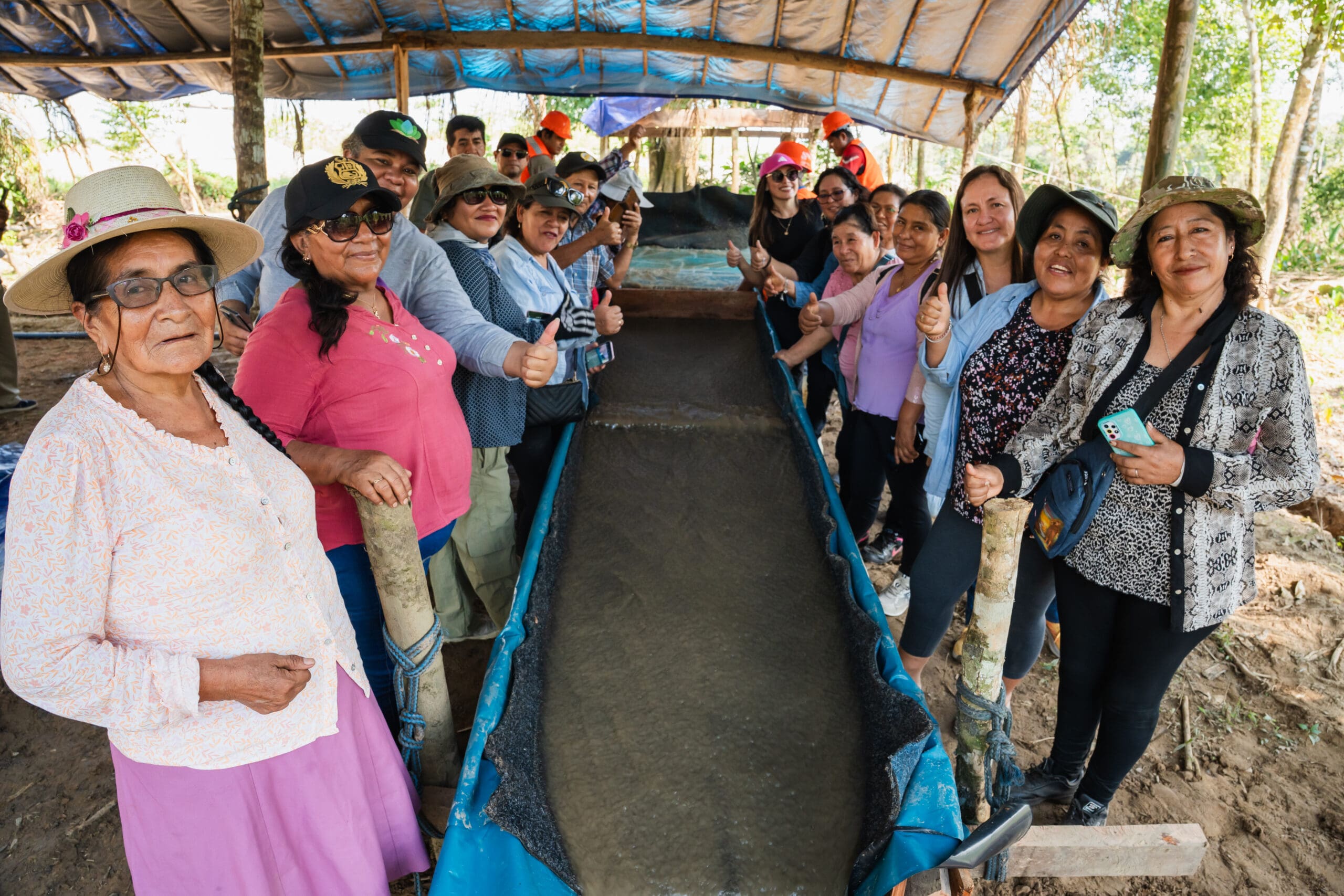
Women miners from the Women Mining Network in Peru stand next to a gravimetric table, an mercury free alternative method of extracting gold. Photo courtesy of Jen Marraccino/Pure Earth.